Selecting the right aluminum cladding material is one of the most crucial decisions in modern building design. With countless options available in today’s market, understanding the key factors that influence performance, aesthetics, and longevity becomes essential for architects, contractors, and building owners. This comprehensive guide explores eight critical factors that will help you make informed decisions when choosing aluminum cladding materials for your next construction or renovation project.
What Makes Aluminum Cladding the Preferred Choice?
Aluminum cladding has become the go-to solution for modern building exteriors due to its exceptional combination of durability, lightweight properties, and design versatility. Unlike traditional materials, aluminum cladding systems offer superior weather resistance while providing endless aesthetic possibilities for contemporary architecture.
Factor 1: Material Quality and Composition
Aluminum Grade and Specifications
The foundation of any quality cladding system lies in the aluminum grade used. Look for materials that meet industry standards such as IS-513 for galvanized steel backing or equivalent aluminum specifications.
Key Considerations:
- Thickness options (0.45mm to 0.50mm typical)
- Alloy composition for specific applications
- Manufacturing standards compliance
- Certification from recognized testing bodies
Substrate Materials
Quality cladding systems often incorporate galvanized steel substrates that provide structural integrity while maintaining corrosion resistance in challenging environments.
Factor 2: Coating and Finish Systems
Powder Coating Excellence
Premium aluminum cladding features specialized exterior-grade powder coating that provides exceptional fadedness resistivity and long-term color retention.
Finish Options Include:
- PVDF (Polyvinylidene Fluoride) coatings
- Polyester powder coatings
- Anodized finishes
- Specialty architectural coatings
Environmental Resistance
Quality coating systems resist dirt accumulation, humidity effects, and UV degradation, ensuring your building maintains its aesthetic appeal for decades.
Factor 3: Design Flexibility and Aesthetic Options
Profile Configurations
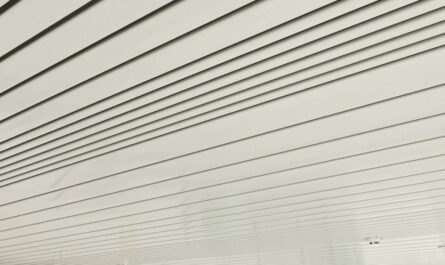
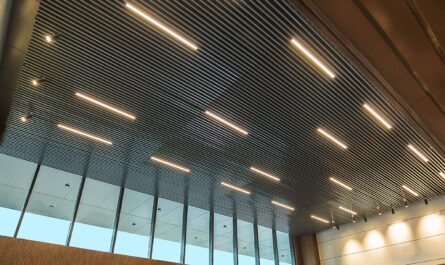
Modern aluminum cladding systems offer numerous profile options including U-shaped baffles, linear panels, and specialized shapes like V72 half-oval designs.
Popular Profile Types:
- U-shaped baffle systems (P25, P50, P75)
- Linear cladding panels (84R, 38R)
- Slanted louver configurations
- Multi-baffle combinations
Color and Texture Varieties
Choose from extensive color palettes and surface textures that complement your architectural vision while meeting functional requirements.
Factor 4: Installation Method and Compatibility
Mounting Systems
Evaluate the installation method and compatibility with your building’s structural system. Quality cladding should offer both horizontal and vertical installation options.
Installation Considerations:
- Concealed fastening systems
- Thermal expansion accommodation
- Structural load requirements
- Compatibility with existing building systems
Ease of Installation
Look for systems that offer straightforward installation processes while maintaining structural integrity and weather sealing.
Factor 5: Performance Under Environmental Conditions
Weather Resistance
Aluminum cladding must withstand various environmental challenges including temperature fluctuations, wind loads, and moisture exposure.
Performance Criteria:
- Wind pressure resistance
- Thermal expansion characteristics
- Moisture barrier properties
- Freeze-thaw cycle durability
Climate-Specific Considerations
Consider your local climate conditions when selecting cladding materials, particularly in coastal, desert, or extreme weather environments.
Factor 6: Maintenance Requirements and Lifecycle Costs
Long-term Maintenance Needs
Quality aluminum cladding systems require minimal maintenance while providing decades of reliable performance.
Maintenance Benefits:
- Easy cleaning with standard detergents
- Individual panel replacement capability
- Corrosion resistance
- Color stability over time
Total Cost of Ownership
Evaluate initial costs against long-term maintenance savings, energy efficiency benefits, and expected service life.
Factor 7: Functional Performance Features
Solar Shading and Energy Efficiency
Many aluminum cladding systems provide excellent solar shading capabilities, reducing building energy consumption and interior cooling costs.
Functional Benefits:
- Heat gain reduction
- Glare control
- Natural ventilation facilitation
- Integration with building systems
Acoustic Properties
Consider acoustic performance requirements, especially for commercial buildings where noise control is important.
Factor 8: Manufacturer Reputation and Support
Quality Assurance
Choose manufacturers with proven track records in aluminum cladding production and comprehensive quality control systems.
Evaluation Criteria:
- Manufacturing experience and expertise
- Quality certifications and standards
- Technical support availability
- Warranty coverage and terms
Local Support and Service
Working with manufacturers who provide local technical support and service capabilities ensures project success and long-term satisfaction.
Industry Applications and Case Studies
Commercial Buildings
Office complexes benefit from aluminum cladding systems that provide professional aesthetics while reducing maintenance costs and energy consumption.
Residential Developments
Apartment buildings and condominiums utilize cladding systems for weather protection, privacy, and architectural enhancement.
Industrial Facilities
Manufacturing and warehouse facilities employ aluminum cladding for durability, low maintenance, and improved building appearance.
Making the Final Decision
Prioritizing Your Requirements
Rank the eight factors based on your specific project requirements, budget constraints, and long-term objectives.
Professional Consultation
Engage with experienced cladding specialists who can provide technical guidance and help optimize your material selection.
FAQ
How long do quality aluminum cladding systems last?
Premium aluminum cladding systems typically provide 25-30 years of reliable performance with proper installation and minimal maintenance.
Can aluminum cladding be customized for specific projects?
Yes, most quality manufacturers offer customization options including colors, profiles, and sizing to meet specific architectural requirements.
What maintenance is required for aluminum cladding?
Minimal maintenance is needed – occasional cleaning with mild detergents and periodic inspection of fastening systems.
How does aluminum cladding perform in coastal environments?
Quality aluminum cladding with proper coatings provides excellent corrosion resistance suitable for coastal applications.
Are there energy efficiency benefits with aluminum cladding?
Yes, properly designed cladding systems can reduce cooling costs by 20-30% through effective solar shading.
Can aluminum cladding be installed on existing buildings?
Yes, aluminum cladding systems can be retrofitted to existing buildings with proper structural assessment and design.
Conclusion
Choosing the right aluminum cladding material requires careful consideration of these eight essential factors. Quality materials, proper installation, and ongoing support from reputable manufacturers ensure your building’s exterior performs beautifully for decades while providing excellent value.
Ready to select the perfect aluminum cladding for your project? Contact Metalium today for expert consultation and discover our comprehensive range of premium cladding solutions designed for Indian construction requirements!