Building facade fire safety has become a critical concern in modern construction following high-profile incidents worldwide. Selecting fire-resistant exterior materials and systems is essential for protecting lives, property, and investments. This comprehensive guide explores how to de-risk your facade selection process by understanding fire-safe materials, regulations, and best practices for aluminum cladding and exterior systems.
Understanding Building Facade Fire Risks
Building facades face unique fire challenges due to their exposure to external ignition sources and potential for rapid flame spread. Traditional combustible cladding materials have contributed to devastating fires, making fire-safe material selection a top priority for architects, contractors, and building owners.
Common Fire Risk Factors:
- Combustible cladding materials
- Poor installation practices
- Inadequate fire stopping
- Lack of compartmentalization
Fire Safety Regulations and Standards
Indian Building Code Requirements
Understanding local fire safety regulations is crucial for compliance and occupant protection. Indian building codes specify requirements for exterior wall assemblies and cladding materials.
Key Regulatory Aspects:
- Fire resistance ratings for exterior walls
- Flame spread limitations
- Smoke development restrictions
- Installation standard compliance
International Standards Reference
Many projects benefit from incorporating international fire safety standards such as NFPA, ASTM, and BS standards for enhanced protection.
Non-Combustible Aluminum Cladding Solutions
Material Fire Performance
Aluminum cladding systems offer inherent fire safety advantages through their non-combustible properties and high melting points.
Fire Safety Benefits:
- Non-combustible aluminum construction
- High melting point (660°C for aluminum)
- No contribution to fire load
- Excellent thermal conductivity for heat dissipation
Galvanized Steel Substrate Advantages
Quality aluminum cladding systems incorporate galvanized steel substrates that provide additional fire resistance and structural integrity during fire events.
De-Risking Facade Selection: Key Strategies
Strategy 1: Material Classification and Testing
Ensure all facade materials meet appropriate fire classification standards and have been tested by recognized laboratories.
Testing Standards to Verify:
- Non-combustibility testing
- Flame spread index ratings
- Smoke development measurements
- Fire resistance duration testing
Strategy 2: System-Level Fire Performance
Evaluate complete facade system performance rather than individual component ratings, as system interactions affect overall fire safety.
System Considerations:
- Cladding-to-structure connections
- Insulation material compatibility
- Air barrier integration
- Fire stopping details
Strategy 3: Installation Quality Control
Proper installation is crucial for maintaining fire safety performance and preventing failure points that could compromise protection.
Installation Best Practices:
- Certified installer requirements
- Quality control inspections
- Fire stopping installation
- Thermal barrier maintenance
Aluminum Cladding Fire Safety Features
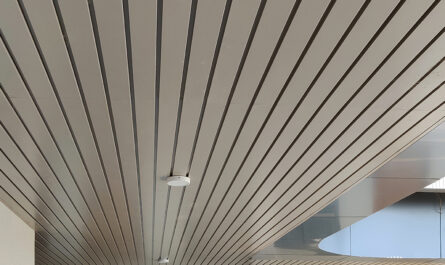
U-Shaped Baffle Systems
U-shaped aluminum baffle systems provide excellent fire safety through non-combustible construction and effective heat dissipation properties.
Fire Safety Advantages:
- Open design prevents heat accumulation
- Non-combustible aluminum construction
- Easy access for fire suppression systems
- No organic material content
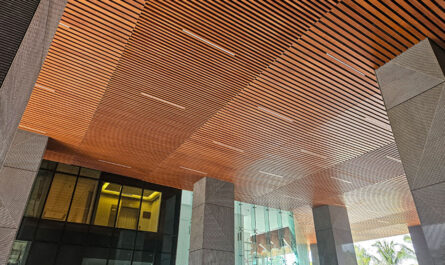
Linear Cladding Systems
Linear aluminum cladding offers continuous fire-resistant barriers while maintaining aesthetic appeal and functional performance.
Protective Features:
- Continuous non-combustible surface
- Excellent thermal conductivity
- Minimal joint penetrations
- Durable galvanized steel backing
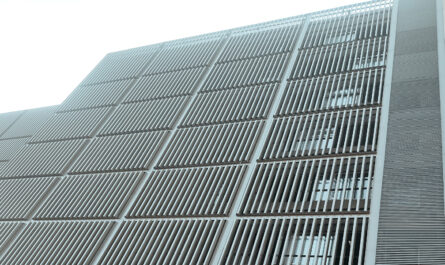
Louver and Ventilation Systems
Properly designed aluminum louver systems provide fire safety while maintaining necessary building ventilation and environmental control.
Fire-Safe Design Principles
Compartmentalization Strategies
Effective facade design incorporates fire compartmentalization to prevent vertical and horizontal flame spread between building sections.
Design Elements:
- Fire-resistant spandrel panels
- Proper floor-to-floor fire stopping
- Window and opening protection
- Adequate separation distances
Heat Dissipation Management
Aluminum cladding systems excel at heat dissipation, reducing surface temperatures and preventing ignition of adjacent materials.
Maintenance Accessibility
Fire-safe facades must allow access for inspection, maintenance, and emergency response while maintaining protective integrity.
Risk Assessment and Mitigation
Building Type Considerations
Different building types present varying fire risks that influence facade material selection and design approaches.
High-Risk Applications:
- High-rise residential buildings
- Healthcare facilities
- Educational institutions
- Mixed-use developments
Environmental Risk Factors
Local environmental conditions affect fire risk and should influence facade material selection and design decisions.
Risk Factors Include:
- Wildfire exposure potential
- Urban heat island effects
- Industrial fire hazard proximity
- Climate-specific challenges
Quality Assurance and Certification
Material Certification Requirements
Verify that all facade materials carry appropriate certifications from recognized testing laboratories and conform to relevant standards.
Essential Certifications:
- Fire resistance testing certificates
- Non-combustibility classifications
- Quality management system certifications
- Environmental compliance documentation
Manufacturer Quality Systems
Choose manufacturers with robust quality systems and proven track records in fire-safe cladding production.
Installation and Maintenance for Fire Safety
Professional Installation Requirements
Fire-safe facade performance depends on proper installation by qualified professionals following manufacturer specifications and building codes.
Critical Installation Elements:
- Proper fastening systems
- Adequate fire stopping
- Thermal barrier continuity
- Weather sealing integrity
Ongoing Maintenance Protocols
Regular maintenance ensures continued fire safety performance throughout the facade system’s service life.
Maintenance Requirements:
- Annual visual inspections
- Fire stopping condition assessment
- Fastener system evaluation
- Coating condition monitoring
Economic Benefits of Fire-Safe Facades
Insurance Considerations
Fire-safe facade systems often qualify for reduced insurance premiums and improved coverage terms.
Property Value Protection
Investing in fire-safe facade systems protects long-term property values and reduces liability exposure.
Lifecycle Cost Analysis
While initial costs may be higher, fire-safe systems provide excellent long-term value through reduced risk and maintenance requirements.
FAQ
What makes aluminum cladding fire-safe compared to other materials?
Aluminum is non-combustible with a high melting point and excellent heat dissipation properties, unlike combustible cladding materials.
How do I verify that facade materials meet fire safety standards?
Request fire testing certificates from recognized laboratories and verify compliance with local building codes.
Can existing buildings be retrofitted with fire-safe facade systems?
Yes, many buildings can be retrofitted with fire-safe aluminum cladding systems following proper structural assessment.
What role does installation quality play in fire safety?
Proper installation is crucial – poor installation can compromise fire safety performance regardless of material quality.
Are fire-safe facade systems more expensive?
While initial costs may be higher, fire-safe systems provide better long-term value through reduced risk and insurance benefits.
How often should fire-safe facades be inspected?
Annual visual inspections are recommended, with detailed assessments every 3-5 years depending on environmental conditions.
Conclusion
De-risking facade selection requires comprehensive understanding of fire safety principles, material performance, and regulatory requirements. Non-combustible aluminum cladding systems offer superior fire safety performance while providing excellent aesthetics and long-term value.
Protect your building investment with proven fire-safe facade solutions! Contact Metalium today for expert consultation on fire-resistant aluminum cladding systems designed to meet the highest safety standards while delivering exceptional performance and aesthetics.