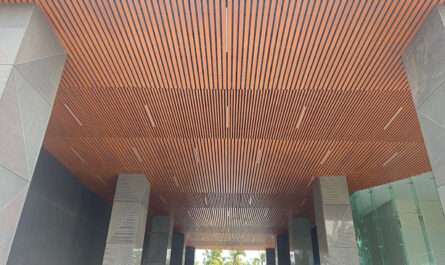
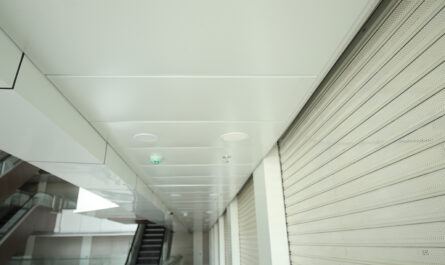
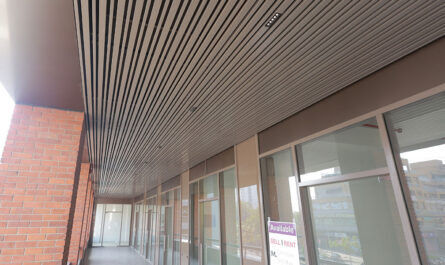
In today’s architectural landscape, acoustic performance has evolved from a secondary consideration to a critical design imperative. Nowhere is this more evident than in offices and auditoriums, where sound quality directly impacts productivity, comprehension, and overall experience. Poor acoustics in these spaces can lead to decreased concentration, reduced productivity, communication difficulties, and even health issues related to stress and cognitive fatigue. This comprehensive guide explores how advanced architectural solutions from Metalium can transform problematic sound environments into spaces that enhance rather than hinder human performance and comfort.
Understanding Acoustic Challenges in Modern Environments
The Evolving Acoustic Landscape
Today’s architectural preferences have created unique acoustic challenges:
- Open floor plans that allow sound to travel unimpeded
- Hard, reflective surfaces including glass, concrete, and metal
- Minimalist design aesthetics with fewer sound-absorbing elements
- HVAC systems generating background noise
- Technology integration creating new sound sources
Measuring Acoustic Performance
Before implementing solutions, understanding the metrics is essential:
- Reverberation Time (RT60): The time required for sound to decay by 60 dB
- Speech Transmission Index (STI): Measure of speech intelligibility
- Sound Absorption Coefficient (NRC): Material’s ability to absorb sound
- Background Noise Level (NC/RC curves): Ambient noise measurement
- Sound Transmission Class (STC): Barrier effectiveness rating
Office Acoustic Challenges and Solutions
Common Office Acoustic Problems
Modern office environments face distinct acoustic challenges:
- Speech Privacy: Conversations carrying across open spaces
- Distraction Distance: How far voices travel and remain intelligible
- Focus Disruption: Difficulty concentrating due to ambient noise
- Video Call Complications: Echo and background noise issues
- Collaboration vs. Concentration: Balancing team and individual needs
Strategic Acoustic Solutions for Offices
Ceiling Systems
Metalium’s acoustic ceiling solutions provide:
- Metal Ceiling Panels with Acoustic Backing: NRC ratings up to 0.95
- Baffles and Clouds: Targeted absorption where needed most
- Microperforated Options: Balancing aesthetics with performance
- Integrated Systems: Combining lighting, HVAC, and acoustics
Wall Treatments
Vertical surfaces offer significant acoustic improvement opportunities:
- Metal Acoustic Wall Panels: Available in various perforation patterns
- Diffuser Panels: Creating sound scatter without absorption loss
- Movable Acoustic Partitions: Flexibility for changing needs
- Architectural Feature Walls: Combining visual interest with acoustic performance
Workstation Design
Optimizing the immediate work environment:
- Desk Dividers with Acoustic Properties: Privacy without isolation
- Under-Desk Acoustic Panels: Reducing reflections from hard flooring
- Monitor-Mounted Absorption: Minimizing sound reflection between users
Case Study: Tech Company Headquarters
A leading software company transformed their open office with Metalium solutions:
- Before: 75% of employees reported difficulty concentrating
- Solution: Integrated ceiling baffles, microperforated wall panels, and workstation dividers
- Result: 82% increase in reported focus time and 45% decrease in acoustic complaints
Auditorium and Performance Space Acoustics
Unique Acoustic Requirements
Auditoriums demand specialized acoustic considerations:
- Speech Intelligibility: Clear communication from presenters to audience
- Sound Distribution: Consistent acoustic experience throughout the space
- Background Noise Control: Minimizing HVAC and external noise intrusion
- Multi-Purpose Adaptability: Accommodating various acoustic needs
- Acoustic Warmth: Creating pleasing sound quality for musical performances
Architectural Solutions for Superior Auditorium Acoustics
Reflective and Diffusive Surfaces
Strategic sound direction:
- Shaped Metal Ceiling Panels: Directing sound to audience areas
- Diffuser Arrays: Breaking up sound waves to prevent echoes
- Variable Acoustic Elements: Adjustable for different performance types
Absorption Strategies
Controlling reverberation and echoes:
- Precision-Engineered Absorbers: Targeting specific frequency ranges
- Bass Traps: Managing low-frequency challenges
- Audience Area Treatment: Maintaining consistent acoustics regardless of attendance
Technical Integration
Seamless incorporation of technology:
- Speaker Positioning Optimization: Working with architectural elements
- Acoustic Transparency: Materials that allow sound transmission where needed
- Technical Booth Isolation: Preventing equipment noise
Case Study: University Performing Arts Center
A multipurpose auditorium transformed with Metalium acoustic solutions:
- Challenge: Space needed to accommodate lectures, drama, and orchestral performances
- Solution: Variable acoustic system with adjustable panels and integrated technical infrastructure
- Result: Reverberation time adjustable from 0.8 seconds (speech) to 1.8 seconds (music)
The Science Behind Acoustic Solutions
Material Properties and Performance
Understanding how materials affect sound:
- Perforation Patterns: How size, spacing, and arrangement affect absorption
- Backing Materials: The role of mineral wool, fiber, and composite backings
- Thickness Considerations: Relationship between material thickness and frequency absorption
- Air Gap Effects: How space behind acoustic elements enhances performance
The Physics of Sound in Architectural Spaces
Key concepts affecting acoustic design:
- Early Reflections: Impact on speech intelligibility
- Flutter Echo: Causes and elimination strategies
- Standing Waves: Identification and mitigation techniques
- Frequency Response: Managing the full spectrum of sound
Implementation Strategies for Acoustic Excellence
Acoustic Modeling and Prediction
Modern tools for optimal results:
- 3D Acoustic Simulation: Predicting performance before installation
- Auralization: Listening to spaces before they’re built
- Data-Driven Design: Using measurements to guide decisions
Balancing Aesthetics and Performance
Achieving both visual and acoustic goals:
- Custom Perforation Patterns: Creating visual interest while maintaining acoustic properties
- Color and Finish Options: Integrating with overall design schemes
- Seamless Integration: Making acoustic solutions architectural features
Phased Implementation Approaches
Managing budget and disruption:
- Priority Zoning: Addressing the most critical areas first
- Retrofit Solutions: Options for existing problematic spaces
- Future-Proofing: Designing for changing needs and technologies
Beyond Basic Acoustics: Advanced Considerations
Sustainable Acoustic Solutions
Environmental responsibility in acoustic design:
- Recycled Content: Metalium’s commitment to sustainability
- Indoor Air Quality: Low-emission materials and finishes
- Energy Efficiency: Acoustic solutions that complement thermal performance
- Life Cycle Assessment: Understanding the full environmental impact
Accessibility and Inclusive Design
Ensuring spaces work for all users:
- Hearing Augmentation Systems: Integration with architectural acoustics
- Visual Cues: Supporting those with hearing impairments
- Universal Design Principles: Creating equitable acoustic environments
Acoustic Wellness and Productivity
The human impact of good acoustics:
- Cognitive Load Reduction: How improved acoustics enhance thinking
- Stress Reduction: The relationship between noise and physiological stress
- Collaboration Enhancement: Creating environments that support communication
- Employee Satisfaction: The proven link between acoustics and workplace happiness
Conclusion
The acoustic challenges faced in offices and auditoriums are significant but solvable with thoughtful design and appropriate material selection. Metalium’s comprehensive range of acoustic solutions offers architects and designers the tools to create spaces that sound as good as they look, enhancing the experience of everyone who uses them.
By understanding the science of sound, implementing targeted solutions, and balancing performance with aesthetics, today’s architectural spaces can overcome acoustic obstacles to deliver environments that support communication, concentration, and comfort. Whether retrofitting an existing problematic space or designing new construction for acoustic excellence, the path to better sound starts with understanding the unique challenges and opportunities of each project.
FAQ
How can I tell if my office needs acoustic improvement?
Common indicators include difficulty hearing colleagues from 6-8 feet away, needing to raise your voice during normal conversation, experiencing fatigue from straining to hear, noticing echoes, or receiving complaints about noise distraction. A professional acoustic assessment can provide definitive measurements.
What’s the difference between sound absorption and sound blocking?
Sound absorption (measured by NRC) reduces reverberation by converting sound energy into heat through friction. Sound blocking (measured by STC) prevents sound transmission between spaces through mass and isolation. Most spaces need a strategic combination of both approaches.
How do acoustic ceiling tiles differ from standard ceiling tiles?
Acoustic ceiling tiles feature perforation patterns, increased density, and specialized backing materials that absorb sound rather than reflect it. Quality acoustic tiles can absorb up to 90% of sound energy that strikes them, compared to 10-20% for standard tiles.
Can acoustic treatments be added to an existing space without major renovation?
Absolutely. Many retrofit solutions like ceiling clouds, wall panels, and freestanding dividers can dramatically improve acoustics without structural changes. Metalium specializes in minimally disruptive acoustic upgrades for occupied spaces.
How do I balance open collaboration areas with quiet focus zones?
Strategic zoning is key, creating graduated acoustic transitions between areas with different purposes. Ceiling treatments can define zones acoustically without walls, while partial-height dividers and directional sound masking help maintain visual connection while controlling sound travel.
What acoustic considerations are most important for video conferencing spaces?
Video conferencing rooms benefit from shorter reverberation times (0.4-0.6 seconds), balanced absorption across frequency ranges, and careful background noise control. Proper microphone placement relative to acoustic treatments is also crucial for clear communication.
How can I make an auditorium work well for both spoken word and musical performances?
Variable acoustic systems are ideal, allowing adjustment of reverberation characteristics. For fixed treatments, a balanced approach targeting a mid-range reverberation time (1.1-1.4 seconds) with careful attention to early reflections can serve both purposes reasonably well.