In the world of construction, architects and builders are always on the lookout for solutions that bring together aesthetics, durability, and functionality. After all, in today’s world, everyone wants their homes, offices, and even the smallest details to look stylish (secret: even food dishes have to be aesthetic these days, lol). That’s where Metalium Slanted Louvers step in. These aren’t just ordinary panels with angled slats they’re a ventilated facade system designed to cover ducts, pipes, and other utilities without compromising on airflow. (And yes, if you’re wondering about ventilation relax, natural air circulation is taken care of. It’s good for the body anyway!). No surprise then, Metalium Louvers are fast becoming a go-to choice for modern buildings across industries.
What are Slanted Louvers?
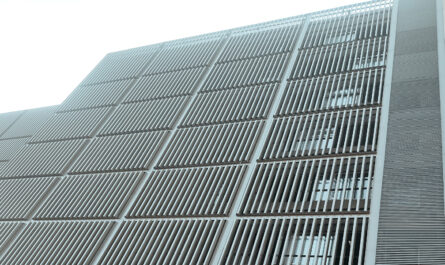
Slanted Louvers have become a popular choice in modern construction. Exactly, this means Metalium Slanted Louvers are highly innovative and very useful for hiding ducts, pipes, electrical cabling, and conduits just like your best friend hides your secrets. Our louvers are easy and quick to install, with a collection of different louver inclinations. To make them last long, they come with a special high-quality powder coating that protects against weather, rust, and fading, keeping them durable and looking good for years.
Where you can use Slanted Louvers?
1. Industrial Buildings (Factories)
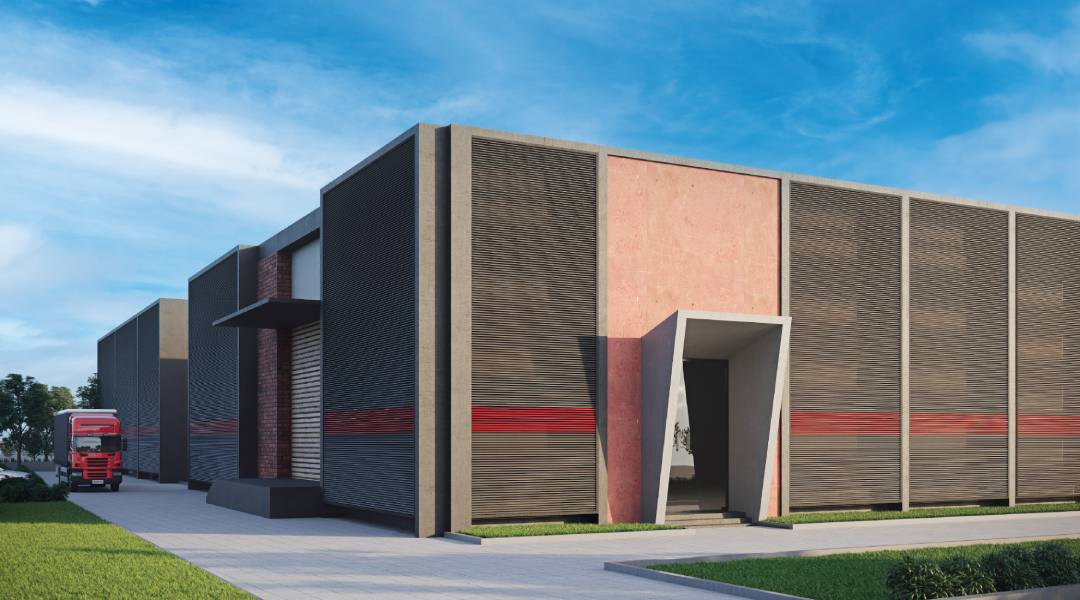
Factories are full of big, bulky ducts, pipes, and machines that honestly look like a messy jungle. Slanted Louvers step in like a stylish cover-up hiding all that chaos while still letting the place breathe. It’s like giving your factory a makeover without spending on fancy clothes.
2. Commercial Spaces (Offices, Malls, IT Parks)
Nobody wants to walk into a swanky mall or office tower and be greeted by giant exhaust ducts or clunky AC units on the roof. Louvers work like Instagram filters they hide the ugly stuff, keep the cool vibe, and make the building look ready for the gram.
3. Residential Projects (Apartments, Villas)
Homes are supposed to look cozy and stylish, not like a science lab with pipes and wires everywhere. Louvers act like that one friend who always cleans up before guests arrive hiding AC units, plumbing lines, and service shafts so your house looks picture-perfect.
Conclusion
At the end of the day, construction isn’t just about bricks and beams it’s about creating spaces that look good, last long, and actually work well. That’s exactly what Metalium Slanted Louvers bring to the table. They hide the not-so-pretty parts like ducts, pipes, and cables while keeping airflow smooth and the design stylish. Think of them as the silent team players of modern architecture not always noticed, but always making everything look and feel better. And in a world where even our coffee and food need to be Instagram-worthy, why should buildings settle for anything less?
Wait!! You might have questions, and we have got answers.
Take a breath, scroll down, grab a cookie (or two), and read our FAQs.
We may not solve all your life problems, but we can help you choose the right stuff for your project. Oh yeah, that’s our thing.
FAQ
What are Slanted Louvers used for?
Slanted Louvers are used to cover ducts, pipes, AC units, and other utilities while still allowing natural airflow. They also enhance the building façade, giving it a modern and clean look.
Do Slanted Louvers block ventilation?
No. The angled slats are designed to let air circulate freely while hiding the bulky systems behind them.
Where can Metalium Louvers be installed?
They are suitable for industrial factories, commercial spaces like malls and offices, and residential projects such as apartments and villas. They’re also widely used in hospitals, airports, and parking structures.
Can I customize the design?
Absolutely. Louvers come in different inclinations (slat angles) and finishes, so you can choose what best matches your project’s design and functional needs.
Are they easy to install?
Yes. Metalium Louvers are designed with quick-install carriers, making them faster and easier to set up compared to traditional systems.
That’s a wrap for today!
Catch us in the next blog with more ideas, some humor, and design tips that work for your projects. (Who knows, maybe even your boss will be impressed.) Until then, Metalium it. See you in the next one and thank you for reading!